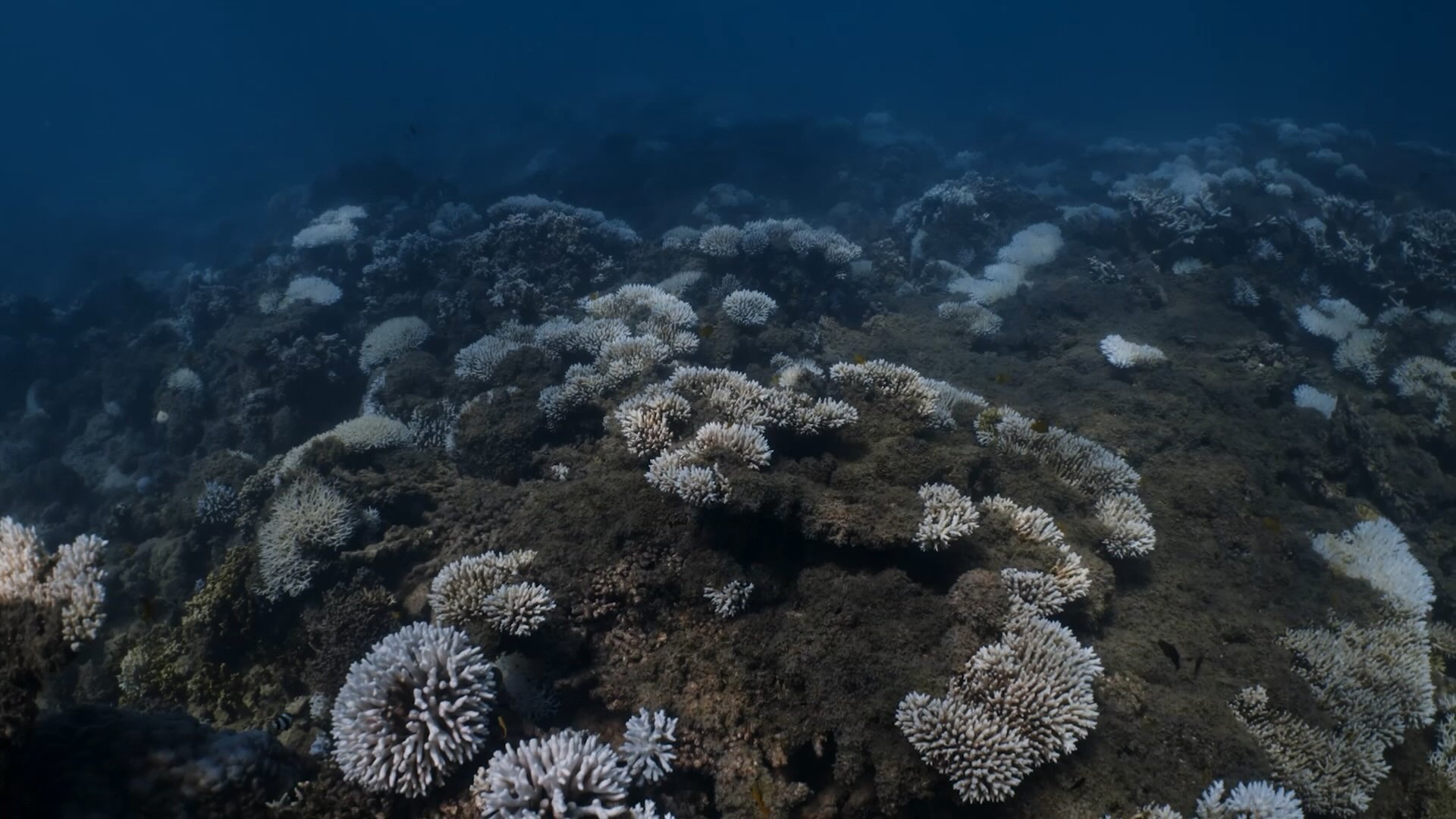
As the impacts of climate change continue to intensify, many are now capitalising on the need to remove emissions from the atmosphere to prevent further damages. Multinational corporations, several governments and scientific bodies have increasingly pointed to the ocean as host to such a solution, an effort recognised as marine carbon dioxide removal (mCDR).
mCDR encompasses several scientifically distinct approaches that use the ocean to remove CO2 from the atmosphere, such as ocean alkalinity enhancement and direct ocean capture. Despite an absence of clear international legal frameworks, mCDR is largely backed both by countries willing to host pilot projects in their waters and investors seeking a return on the next big climate solution.
Latest stories
Over the past few months, reporters have been covering the latest developments in ocean carbon removal. Here are some of the latest stories from our network.

Lobsters and acidic seas: can shellfish help neutralise one of the greatest threats to the ocean?
Scientists at Woods Hole Oceanographic Institution race to test ocean carbon removal techniques as Trump's halt to funding threatens to scupper the research
Read the story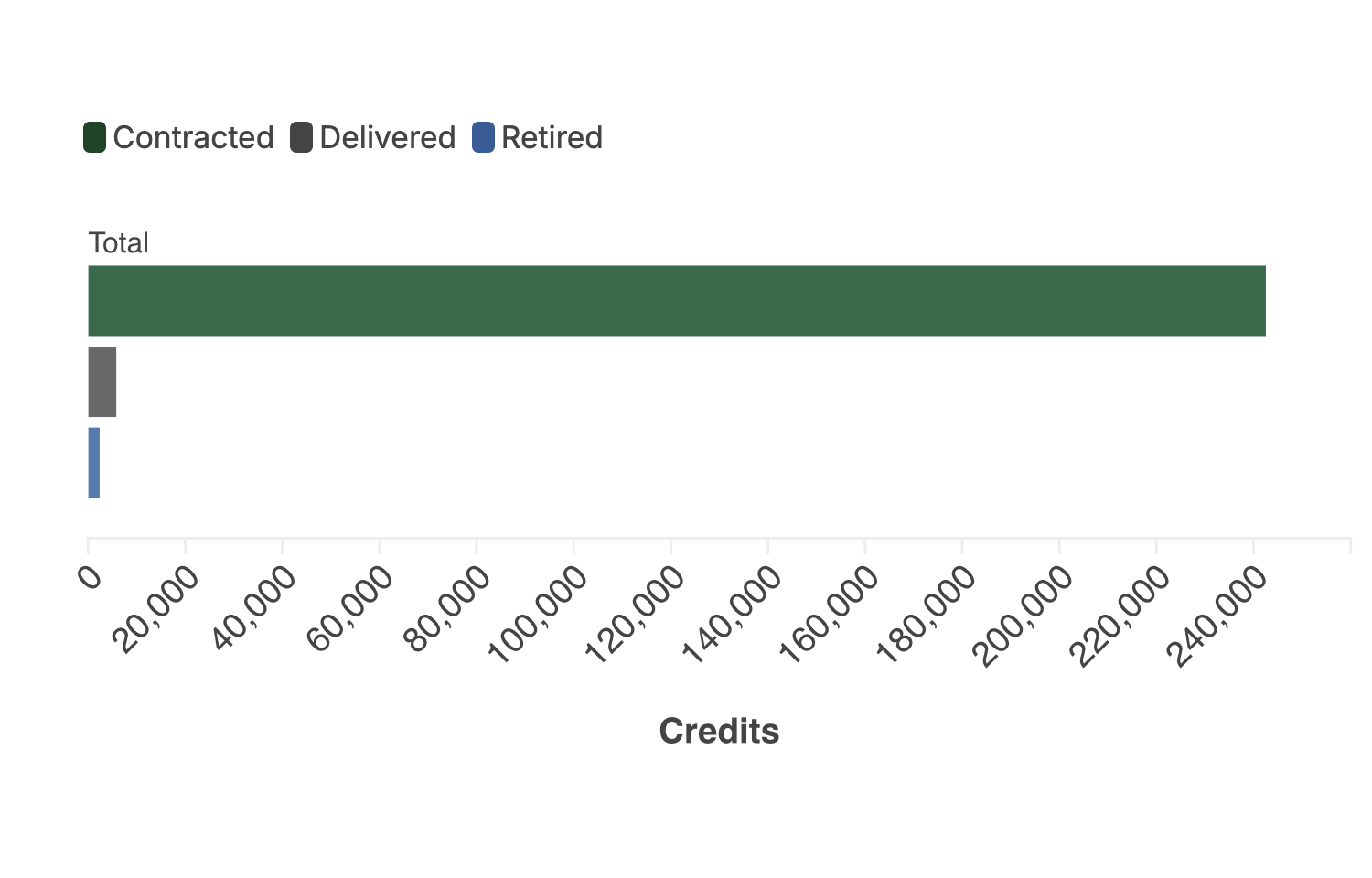
Marine carbon removal companies have delivered under 5% of contracted credits to corporate buyers
Marine carbon removal (mCDR) companies have less than five years to deliver roughly 237,000 carbon credits to companies that have bought them to meet climate targets.
Read the story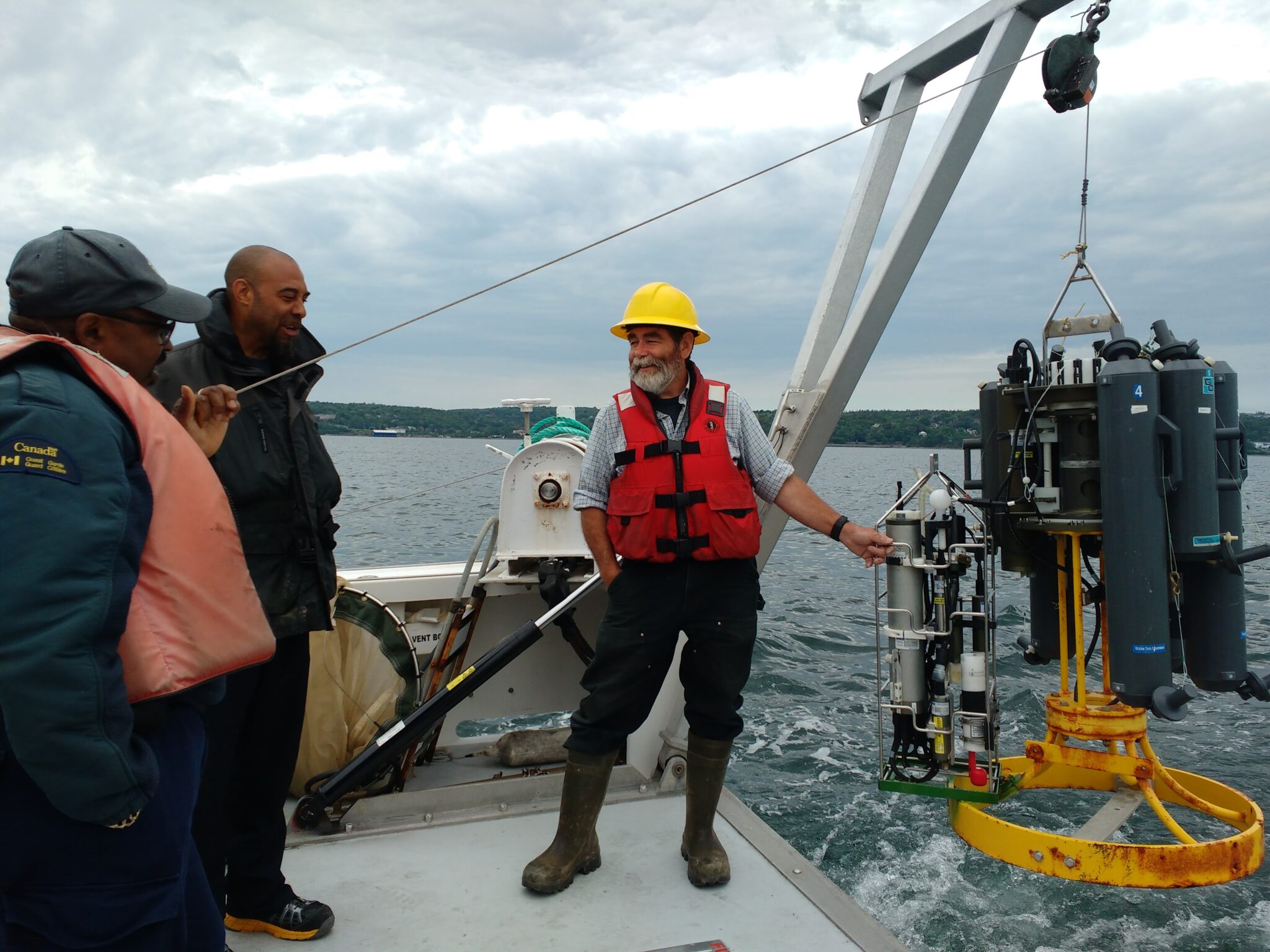
Halifax's big bet on the future of carbon removal
Nova Scotia's capital has brought together science, industry, and philanthropy to create a world-leading centre for ocean alkalinity enhancement, as the marine carbon removal technology sets out to prove itself even amid regulatory uncertainty
Read the story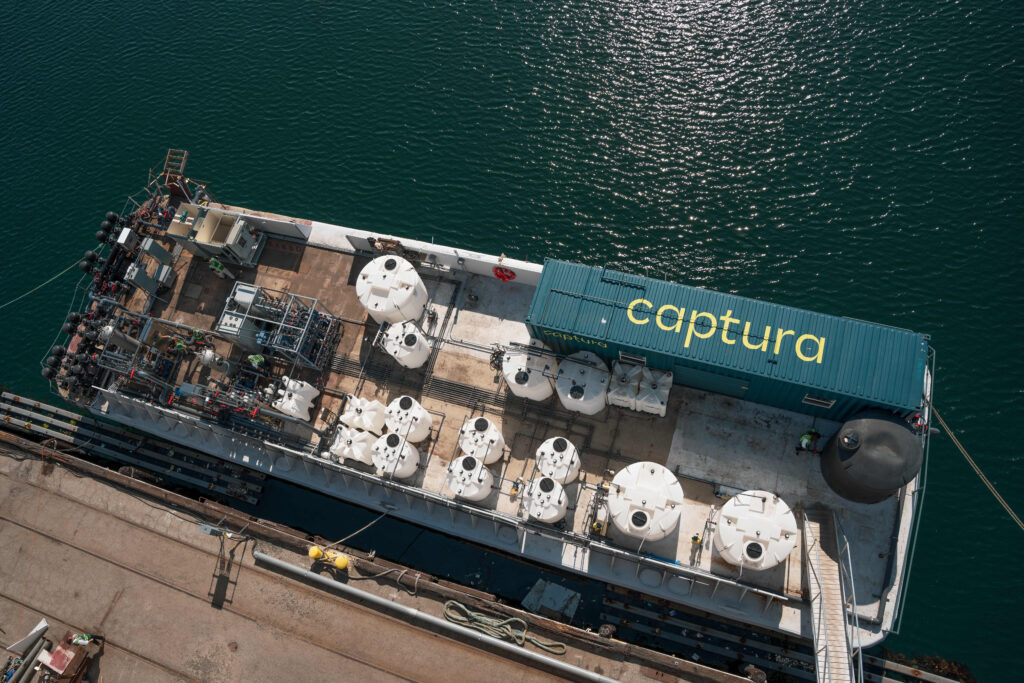
The carbon removal company with nowhere to put its carbon
From California to Hawai'i and back again: The birth, rise, and survival strategy of an mCDR startup
Read the story More coming soon.